
D2C ·
How to Consolidate Orders from Multiple China Suppliers into One Shipment
Consolidate orders from multiple China suppliers into one shipment with a collection window, receiving checks and unified documents. A practical coordination guide.
By SINO CEP Insight editorial team
If your products come from more than one Chinese factory, getting them into a single shipment is a coordination problem before it is a freight problem. This guide walks through the window, the receiving, and the documents that make consolidation work.
Why consolidation is harder than the freight discount suggests
Most write ups sell supplier consolidation as a way to cut international freight by bundling parcels. The bigger win is coordination. Your suppliers finish on different days, use different cartons, and rarely share one view of your order. A consolidation and replenishment workflow only works if someone owns the window, the receiving, and the exceptions. The freight saving is real, but the hard part is making several independent factories behave like one shipment.
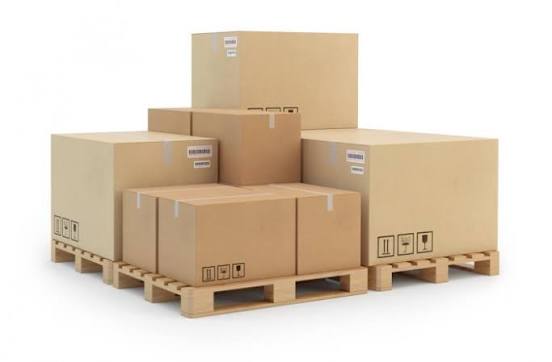
Set a collection window of 7 to 14 days
Give suppliers a cut off. Anything finished inside the window waits. Anything late ships on the next round or separately. A 7 to 14 day window balances speed against the chance that a slow supplier strands the whole batch. Write the window into every purchase order so the date is a commitment, not a hope.
Arrange supplier delivery or pickup
Some suppliers deliver to the warehouse. Others need pickup. For the supplier delivery and Guangzhou receiving step, confirm addresses, contact names, and carton labels in advance. Pickup adds a leg but avoids suppliers using mismatched packaging. Either way, the warehouse should know what is coming and from whom before it arrives.
Receiving checks and batch labeling
When cartons land, count and label them by supplier and batch. This is a count and a condition check, not a quality verdict. The receiving record becomes the baseline if a supplier later disputes a shortage. Keep it separate from the deeper quality inspection that happens once the batch is complete.
Choose a consolidation mode
| Mode | Use when | Trade off |
|---|---|---|
| Full container (FCL) | Enough volume to fill a box | Best rate, slower to fill |
| Less than container (LCL) | Sharing space with others | Faster, higher per unit cost |
| Staggered release | Different suppliers ready at different times | Flexibility, more handling |
Pick the mode by what the window actually contains, not by a default.
Unify the documentation
One shipment needs one set of papers: commercial invoice, packing list, and any certificates. Mismatched documents at export or import create delays that cost more than the freight you saved. The warehouse should issue one consolidated packing list that maps back to each supplier batch.
Handle exceptions before they become claims
Missing cartons, wrong items, and substandard packaging show up at receiving. Hold the affected batch, photograph it, and notify the supplier while the evidence is fresh. A clear returns and stock recovery path matters here, because defective or missing stock has to go somewhere other than your customer’s order.
A consolidation timeline template
T minus 14: order placed with all suppliers. T minus 7: collection window closes. T minus 5: receiving and labeling done. T minus 3: inspection and exception resolution. T minus 1: documents finalized. T zero: shipment released.

What your team needs from each supplier
Supplier name, product and quantity, ready date, carton specs, and contact. Collect this once in a template so every round starts from the same sheet.
Supplier consolidation is one operating step inside a broader Guangzhou fulfillment model. The China 3PL guide explains when that model fits your stage and what to check before you commit.
Frequently asked questions
What is supplier consolidation in China?
It is the practice of collecting goods from several Chinese suppliers into one shipment so you pay one international move instead of many. The coordination of timing and documents is the real work.
How long should a collection window be?
A 7 to 14 day window is a common starting point. Shorter windows miss slow suppliers, while longer ones delay everything. Tune it to your slowest reliable supplier.
FCL or LCL for consolidation?
Use FCL when one round fills a container. Use LCL when volume is too small or too urgent to wait. Staggered release fits suppliers that finish on very different dates.
Who handles the documents?
The consolidating warehouse should issue one consolidated packing list and commercial invoice covering all suppliers. Unified documents prevent customs delays later.
What if a supplier ships the wrong items?
Hold the batch at receiving, photograph it, and raise it with the supplier immediately. Keep the receiving record as your evidence if a dispute follows.