
D2C ·
China Warehousing & Inventory Management: How to Allocate Stock Across Channels
Manage China warehousing and inventory: track available, reserved and held stock, allocate across DTC, FBA and wholesale, and set replenishment triggers.
By SINO CEP Insight editorial team
Holding inventory in China puts allocation decisions next to the goods. This guide explains how to track stock states and split one pool across DTC, FBA, and wholesale without overselling.
Three stock states you must track separately
Available, reserved, and held are not the same number. Available is sellable now. Reserved is promised to an open order or a channel allocation. Held is frozen for inspection, rework, or a dispute. Mixing them leads to overselling or shipping frozen stock. Your system should show all three at any moment. This is the foundation of the China 3PL model.
Allocate across DTC, FBA and wholesale
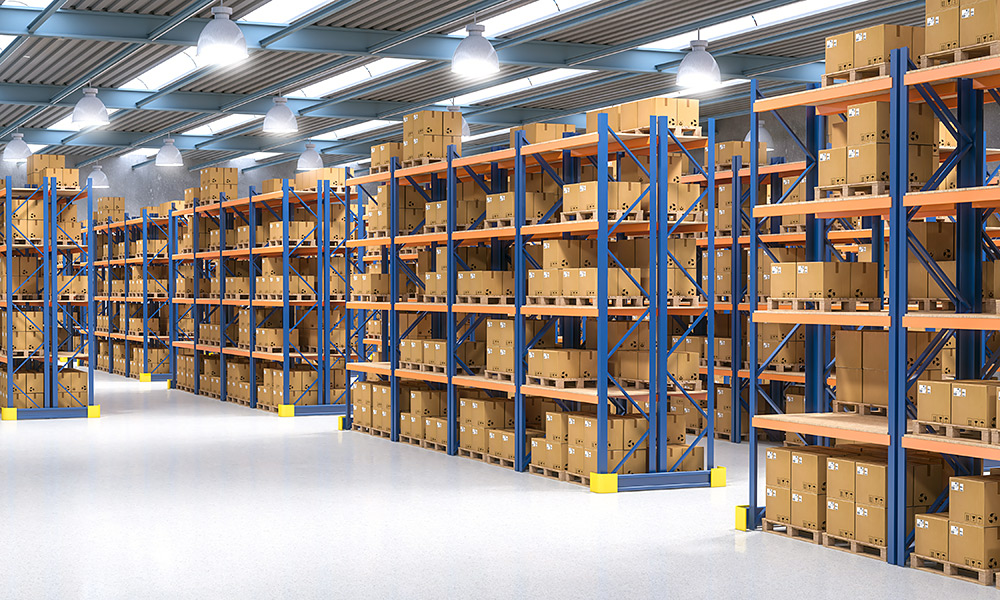
One China stock pool can serve several fronts. DTC orders draw from available stock daily. FBA replenishment moves in planned batches to Amazon. Wholesale ships in larger, less frequent pulls. A stock allocation plan decides how much each channel can claim so none starves the others.
Set replenishment triggers that match demand
Reorder points should reflect how each channel actually sells, not a flat guess. Fast DTC SKUs need tighter triggers. Slow wholesale can wait. Tie triggers to real sell through and to global shipping lead times so replenishments arrive before stockout, not after.
Handle slow movers and returned stock
Stock that does not sell ties up space and cash. Set a review date for slow movers and decide markdown, bundle, or return. Returned goods re-enter the warehouse and must be inspected before they become available again, not assumed sellable. The inspection step applies to returns just as it does to inbound goods.
Centralized China stock vs overseas split
Keeping stock in one China location maximizes utilization and simplifies allocation, but adds cross border lead time. An overseas split shortens delivery but fragments inventory and risks imbalance. Choose by how sensitive your customers are to delivery speed versus how much buffer you can afford. The launch plan often decides which SKUs deserve an early overseas position.

A stock allocation decision table
| Question | If yes | Action |
|---|---|---|
| Is the SKU fast on DTC? | Yes | Tighter reorder, daily allocation |
| Is FBA near threshold? | Yes | Schedule replenishment batch |
| Is stock held? | Yes | Block from all channels until cleared |
| Is it a slow mover? | Yes | Review for markdown or return |
Frequently asked questions
What is inventory management in a China 3PL?
It is tracking stock inside a Guangzhou warehouse across available, reserved, and held states, then allocating it to your sales channels. The 3PL operates the system so you see stock in real time.
What is stock allocation?
Allocation decides how much inventory each channel, such as DTC, FBA, or wholesale, can draw from one shared pool. It prevents one channel from starving the others.
How do I avoid overselling?
Keep available, reserved, and held stock separate in your system and allocate only from available. Reserve stock the moment an order or channel plan claims it.
When should I replenish FBA from China?
When FBA stock approaches its sell through threshold, schedule a replenishment batch timed to global shipping lead times so inventory lands before you run out.
What happens to returned products?
Returned goods re-enter the warehouse and should be inspected before they return to available stock. Do not assume a return is sellable without a check.
Should I keep all stock in China or split overseas?
Centralizing in China maximizes utilization and simplifies allocation but adds delivery lead time. Splitting overseas speeds delivery but fragments stock. Choose by delivery speed sensitivity.